


LENGTH OF COURSE STUDY
1 day
COURSE HOURS
6 hours
COURSE CREDENTIAL
WAS Bicycle Certification
Cytech Technical Three
Cytech Accredited Training Provider


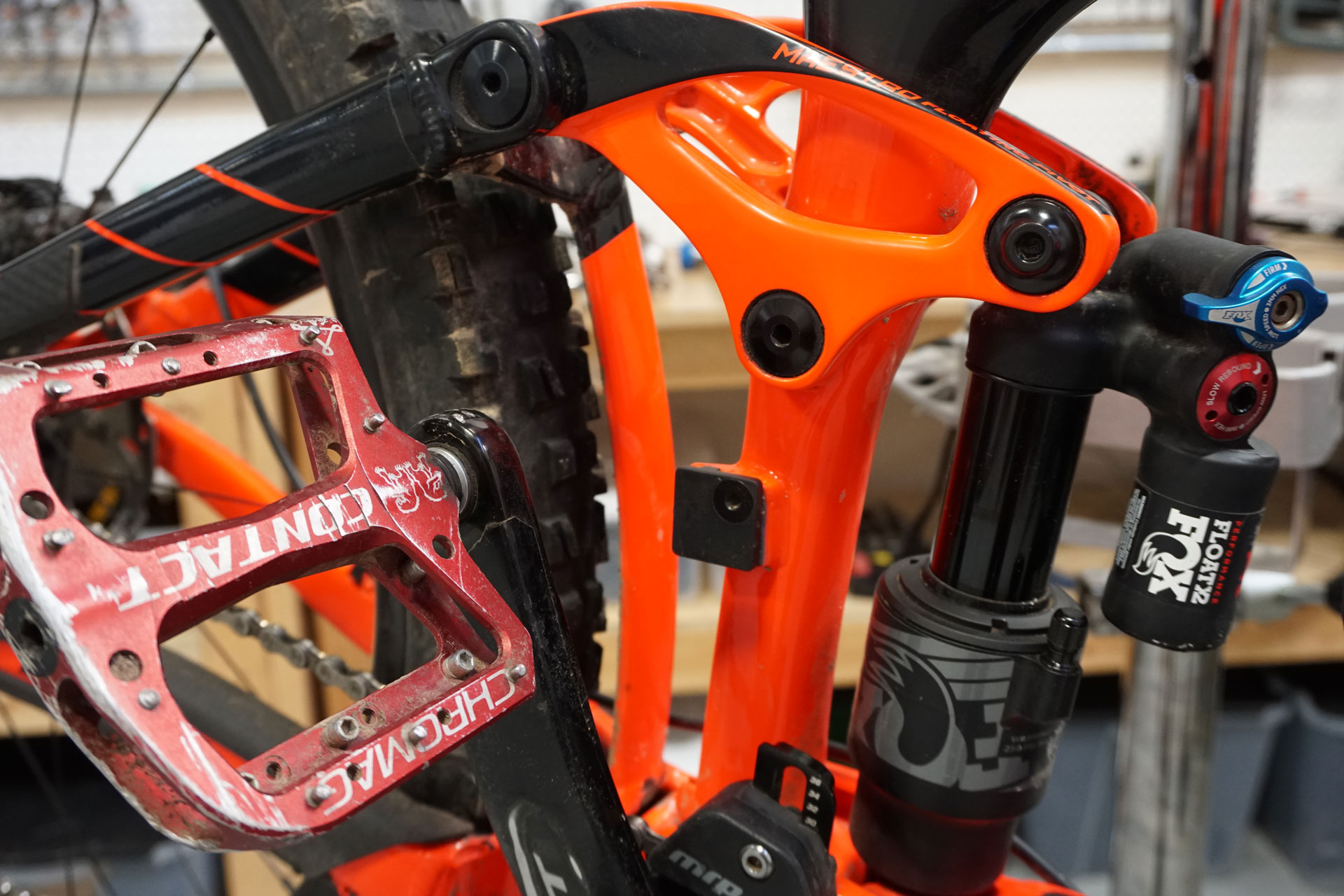


Ever wondered how squeezing those little levers can haul you and your bike down to a standstill so quickly? Or have you felt your brakes just make a bunch of noise and let you careen into the woods at every corner? If you want to know more about your brakes and gain more confidence and control on your bike, this one day course is for you.
We will cover all aspects of mountain bike hydraulic braking systems found on modern mountain bikes. We’ll learn about the various components of a brake system and practice how to inspect, maintain and service the brakes on our bikes. Everything from brake pad wear and pad replacement, bleeding different brake systems, right up to caliper service and hose replacement will be taught and practiced by students.
The depth of each topic will be tailored to each students’ needs and comfort levels, so if you’re just starting out we’ll ensure you know the basics, and if you want to get more in-depth we’ll keep you challenged there too. Each course will combine approximately 25% lecture time, 25% demonstration time, and 50% practical application time.
MINIMUM PARTICIPANTS
5 Students
INTERESTED IN A CUSTOM COURSE?
Please inquire for a custom course for you, your friends or your employees directly via email or phone.
SINGLE COURSE COSTS
| Course | Cost |
|---|---|
| Tuition Fee | $800 CAD + gst |
This module is designed for experienced bicycle mechanics who are ready to deepen their technical mastery of hydraulic braking systems. It’s ideal for mechanics working in bike shops, service centres, or professional workshop environments, as well as advanced home mechanics who already have hands-on experience with hydraulic disc brakes and bleed procedures.
Participants should be comfortable with core workshop practices and familiar with modern road and mountain bike braking systems. This module is especially valuable for those who want to move beyond following step-by-step bleed instructions and instead develop a deeper understanding of how hydraulic principles, component design, and brand-specific systems interact. If you’re looking to diagnose issues more confidently, service systems to a higher professional standard, and fine-tune brake performance to rider preference, this module is built for you.
It positions the course as a step up: not introductory, not theoretical, but practical, precise, and professional, where mechanics stop memorizing procedures and start understanding systems.
- Introduction of braking systems, their components and operation
- Discussion of brake fluids and their properties
- Installation, setup and adjustment of calipers, rotors and levers
- System maintenance - cleaning and inspection
- Pad and rotor inspection and replacement
- Troubleshooting - system inspection and wear diagnosis of fluids, pads, rotors, pistons, seals
- Bleeding - when, why and how. Bleeding processes and the tools required for each students’ braking systems
- Component replacement - lever internals, pistons, hoses
By the end of this module, participants will be able to confidently service, diagnose, and optimize hydraulic disc brake systems across both mountain and road bikes. Mechanics will move beyond procedural knowledge to a working understanding of how hydraulic braking systems function as integrated mechanical systems.
Participants will be able to accurately identify hydraulic brake components and terminology, diagnose common and complex faults, and apply appropriate solutions based on system design and brand-specific requirements. They will perform complete hydraulic brake services to a professional standard, including caliper and lever maintenance, fluid management, and system bleeding.
Graduates of this module will be able to set up hydraulic brake levers to suit individual rider preferences, improving braking performance, ergonomics, and rider confidence. They will also develop the judgment and confidence required to assess brake condition, determine service intervals, and communicate technical findings clearly in a workshop or shop-floor environment.
The outcome is a mechanic who doesn’t just follow procedures, but understands why they work, capable of delivering consistent, high-quality hydraulic brake service in real-world professional settings.